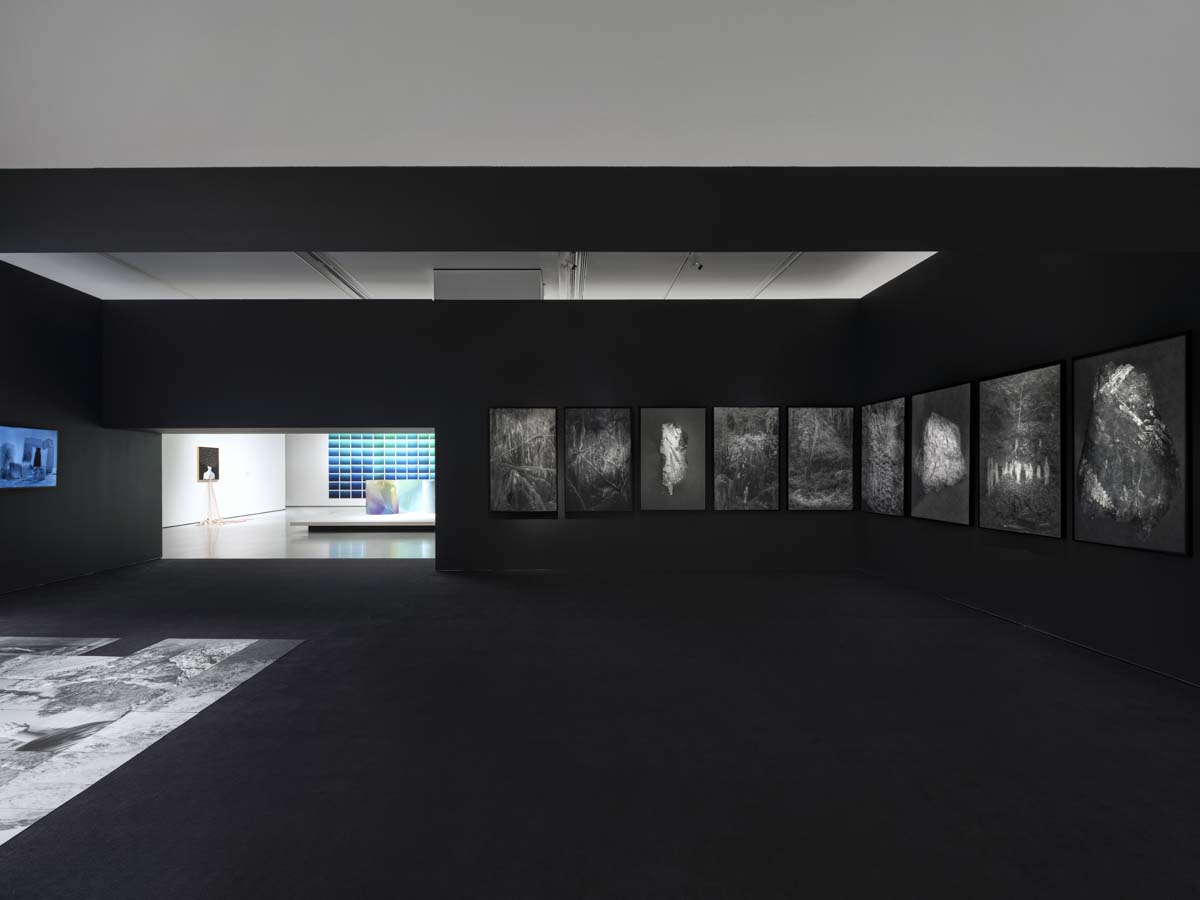
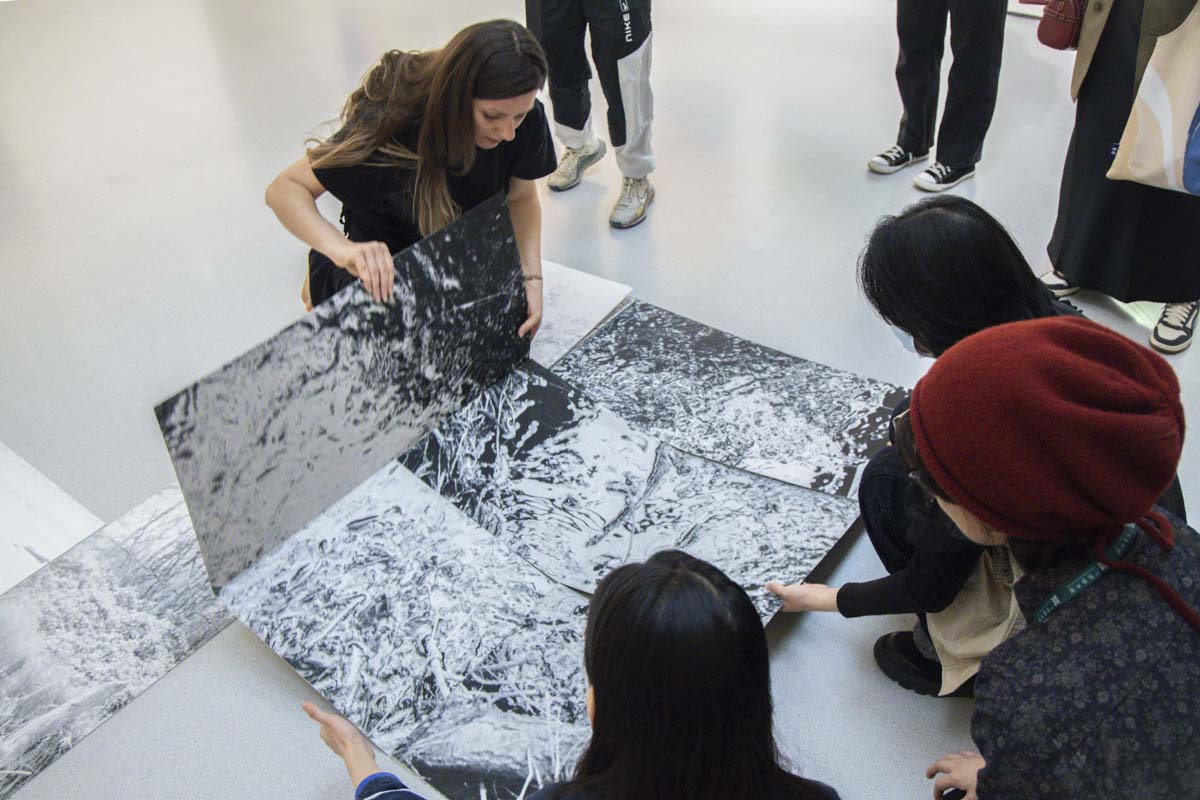
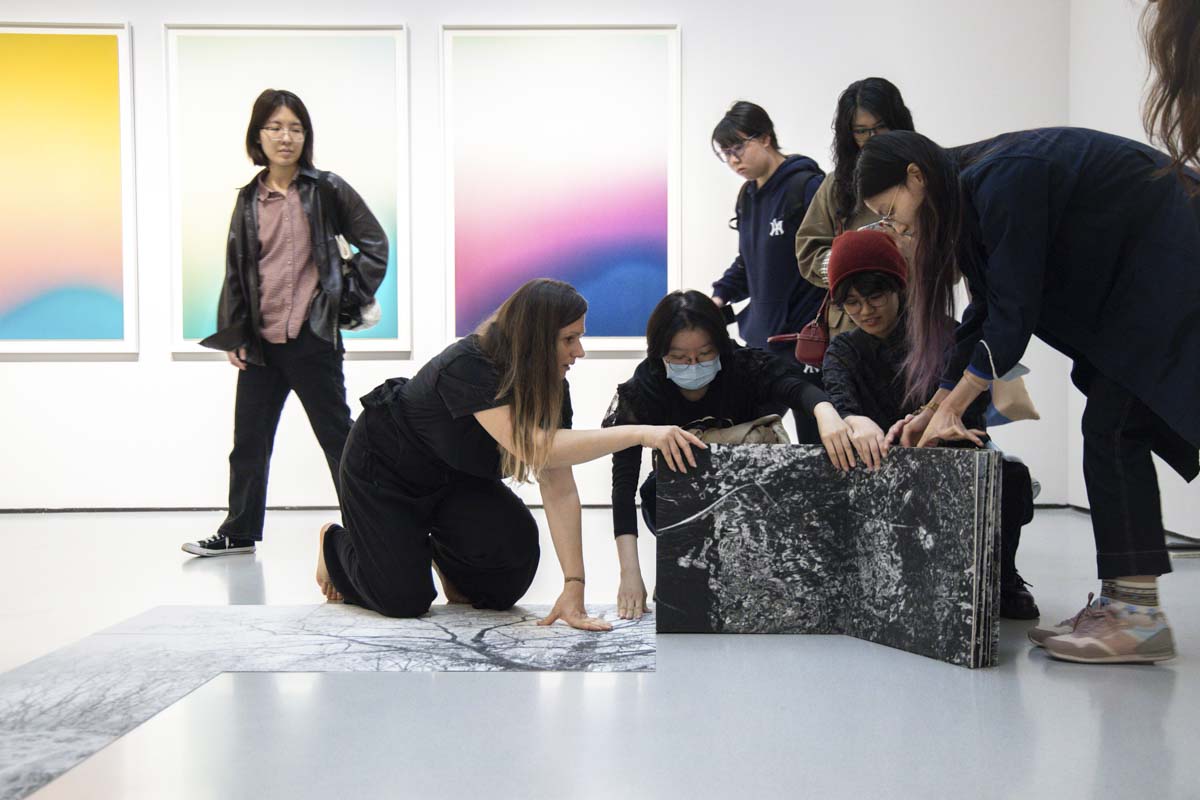
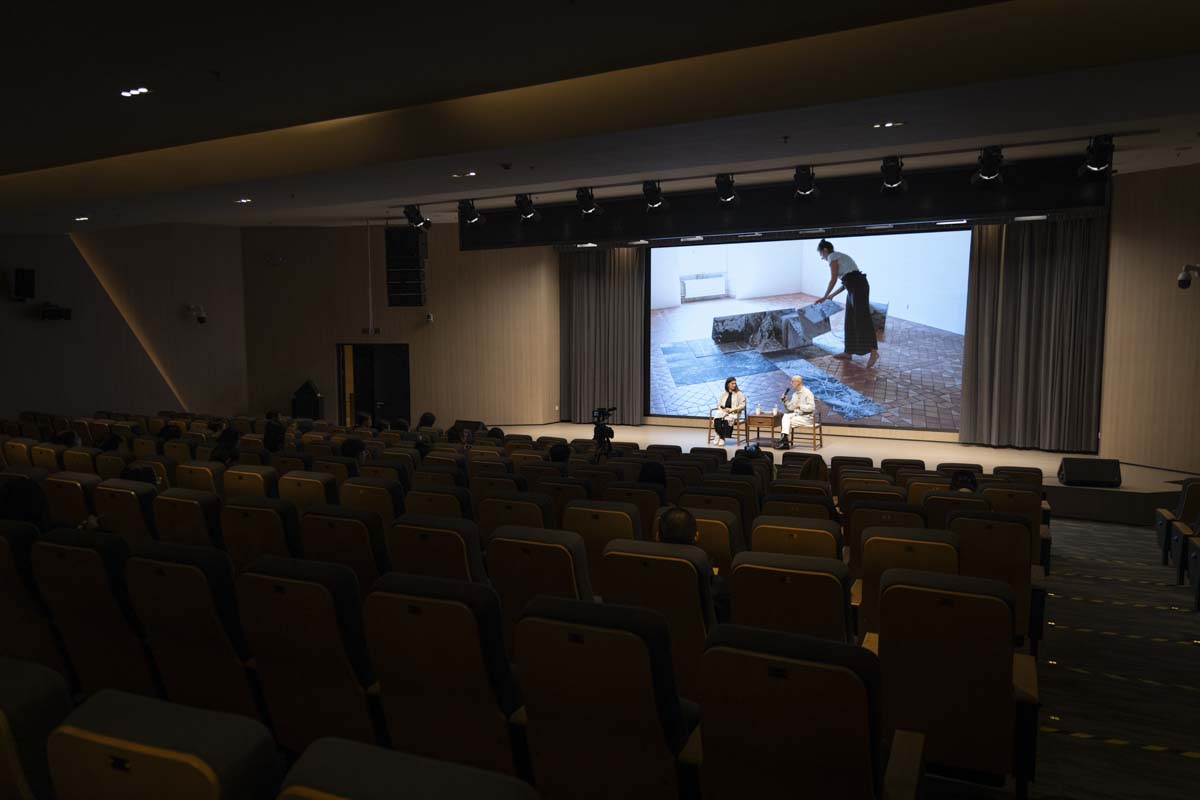
Michel Poivert, entretien curatorial pour NEO–ANALOG – Expanded Photography in the Post-Digital Era, présenté dans le cadre de la Guangzhou Image Triennial 2025 – Ecology of Sensitivity, Guangdong Museum of Art (GDMoA), Bai’etan Greater Bay Area Art Center, 19 décembre 2025 – 5 mai 2026.
Curatorial essay by Michel Poivert
« In the context of major climate change, what representations of nature can photography offer us? Beyond the documentary on the state of the planet, artists are looking for new ways to raise our awareness about the elements of nature. Photography is transformed, it goes beyond the traditional limits of representation to reconnect us with nature. In a changing world, the image of the world must also change and offer new experiences of the sensitive.
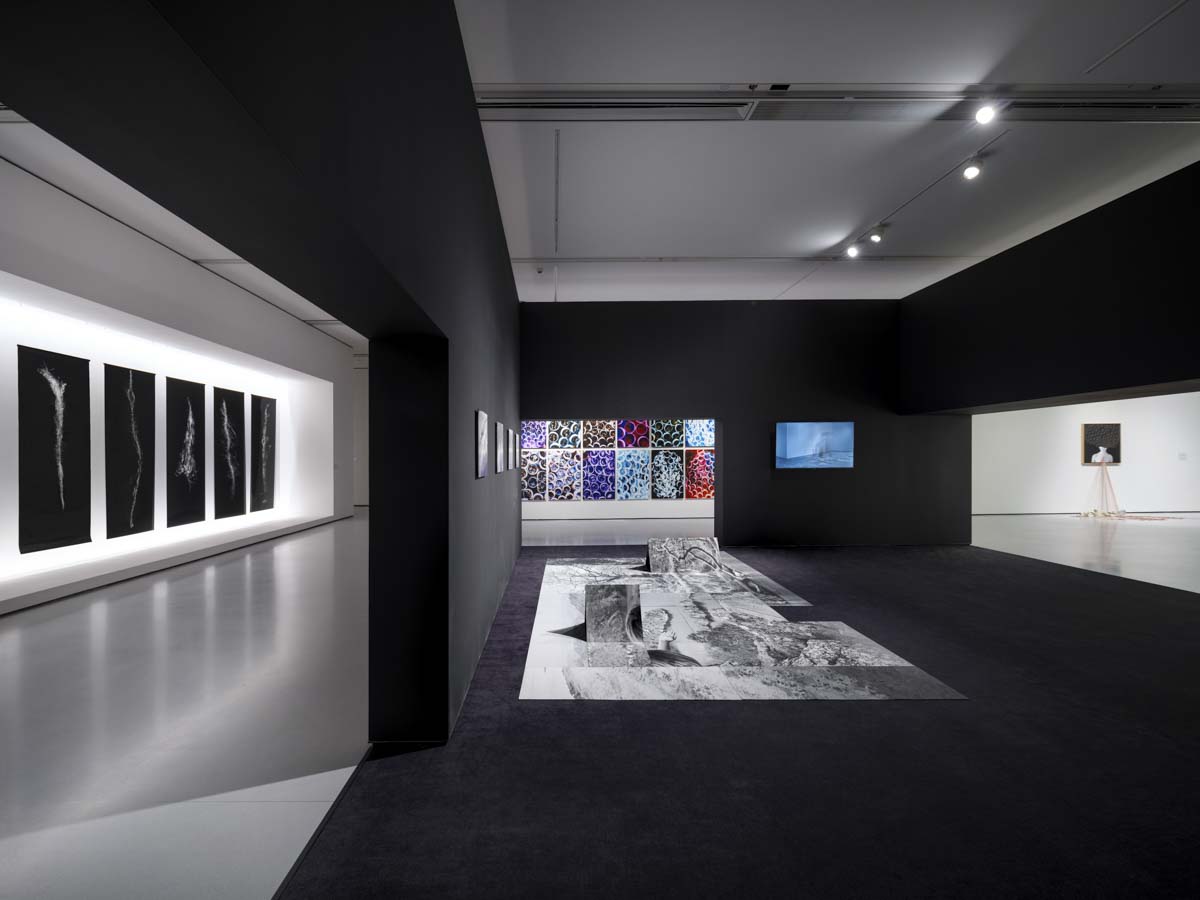
In this context, we are witnessing a real reinvention of photography with the aesthetic current of Neo-Analog. For the first time, photography goes beyond the image to express an awareness of the world. Through experimentation, photographers explore our sensitivity to light, water, earth, fire, wood and iron. The grand theme of the elements of nature is thus taken up by experiments: animals, plants as well as humans.
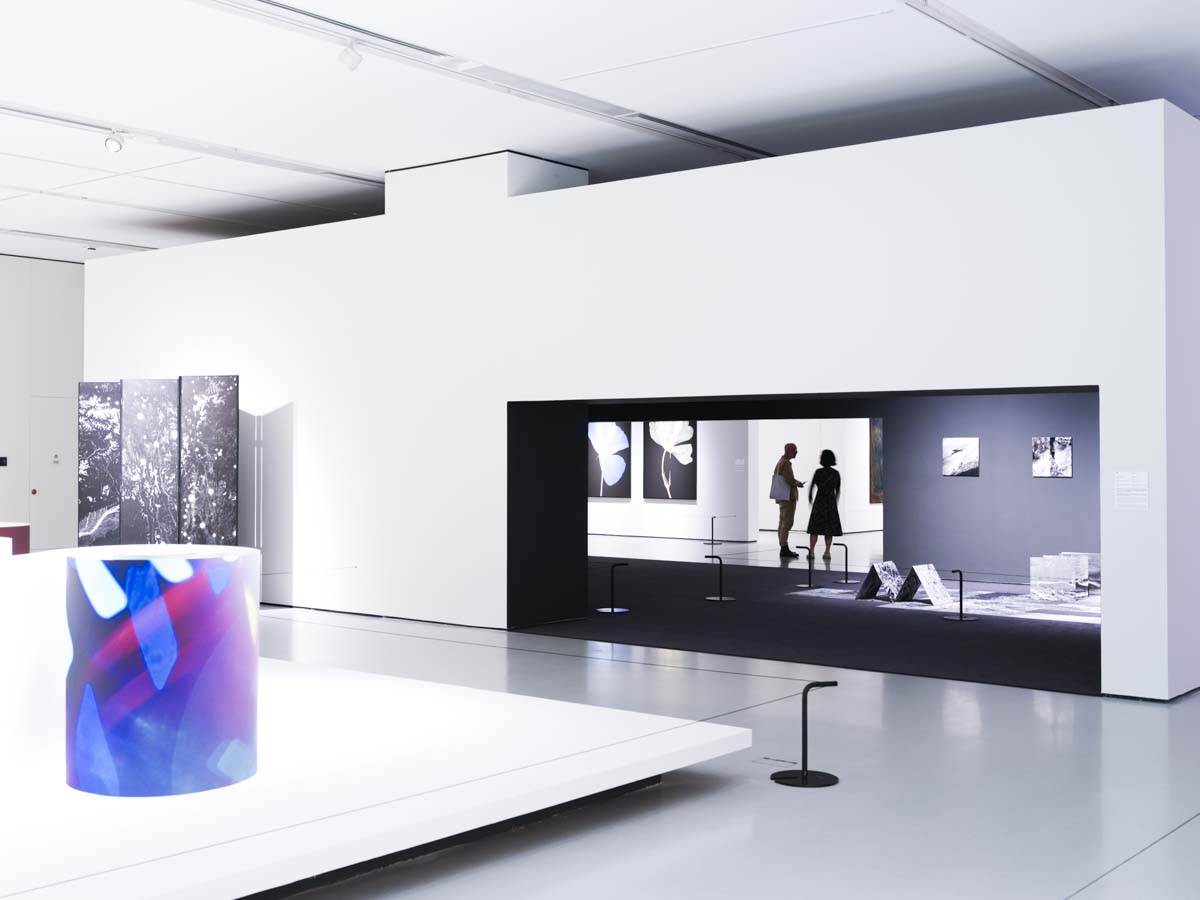
This section is conceived as a field of “resonances” between the visitors and the elements in the sense understood by the philosopher Hartmut Rosa, that is to say an aesthetic of appeasement and slowing down. Natural ontologies animate the matter of images. Materiality, perception and culture combine to respond to the anthropogenic transformations of the Earth. This “materialistic sensitivity” shows that the elements of nature are no longer exploitable resources in an extractivist logic, but the conditions of resonance between humans and nature. The elements highlight the transforming action of anthropic activity in relation to the composition of the Earth.
In the middle of the 20th century, Gaston Bachelard revisited human imaginary representations of natural elements. Concerning the Earth, the philosopher saw in it "underground life as an image of rest". This conception of "refuge" offers a poetic counterpart to the more contemporary notion of “ecosophy” defended by the philosopher and psychoanalyst Félix Guattari: environmental issues are now inseparable from social ones. The Earth is topical, but how to refind the imaginary?
The Neo-Analog aesthetic responds to the new designs of our planet. In the early 1970s, British environmental scientist James Lovelock and Lynn Margulis published their first article entitled Atmospheric homeostasis by and for the biosphere: The Gaia hypothesis, hypothesizing an Earth conceived as a living entity where all organisms react and regulate themselves. By making Gaïa (named after the Greek goddess of the Earth) a political concept, French philosopher Bruno Latour places the planet in the context of the Anthropocene, a notion founded in the early 1990s by American science journalist Andrew C. Revkin. It grants itself the living dimension an ability to react to the effects produced by human activity.
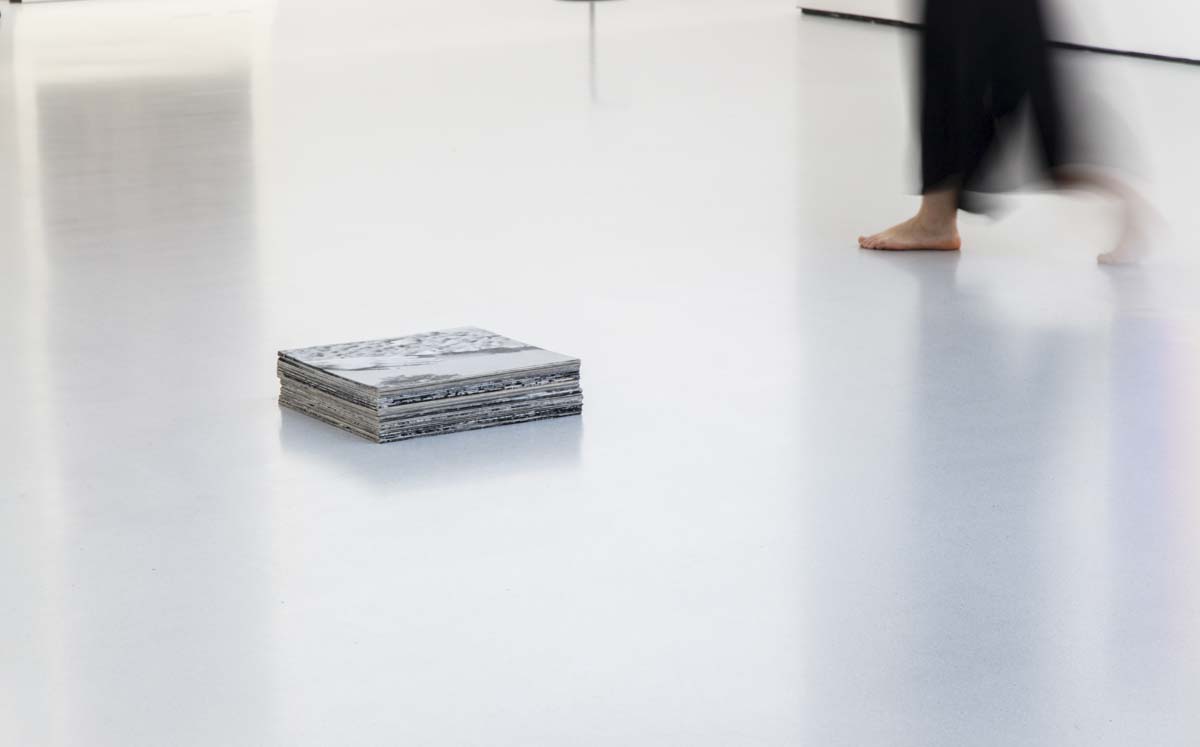
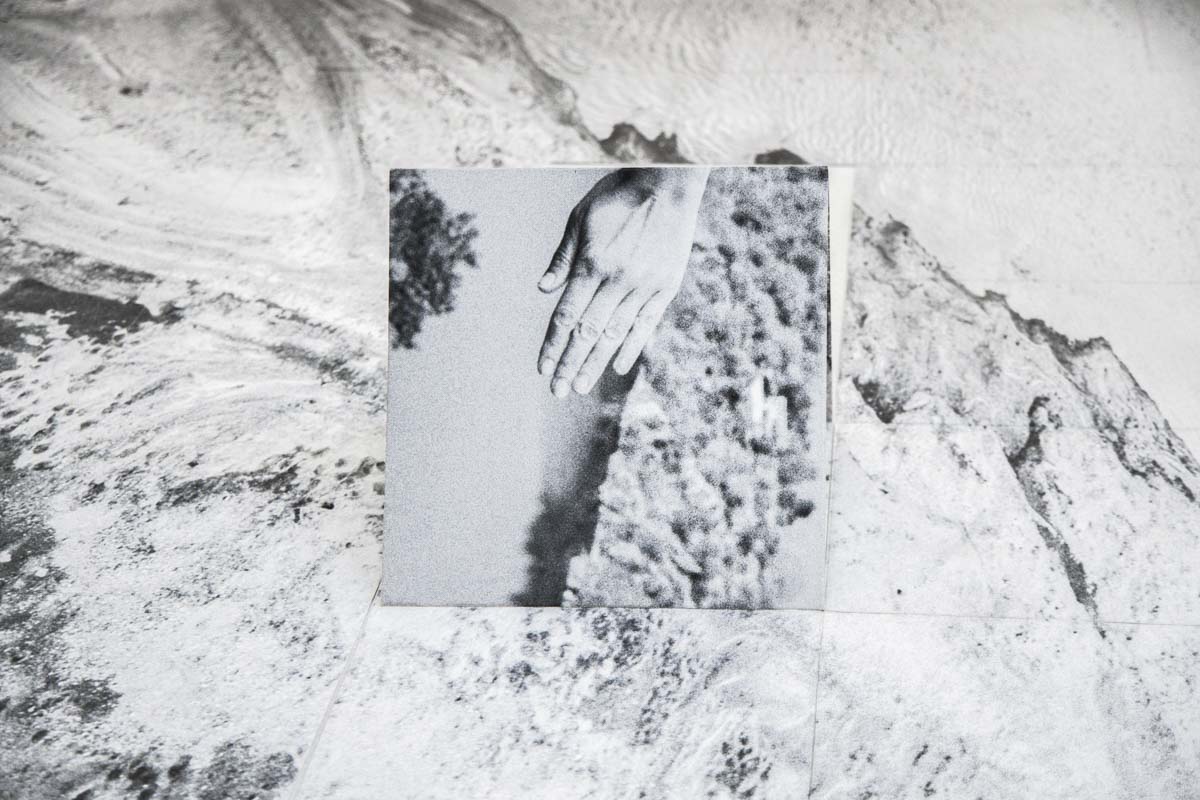
To go beyond an anthropocentric vision and propose new forms of attention, the Neo-Analog uses the most diverse technologies, such as AI, video, digital, but also it combines techniques where the material and the hand play an essential role. The Neo-Analog is a photography extended to hybrid forms such as photo-textile, photo-drawing, photo-sculpture, etc. The regeneration of photography through experimentation is a moment of reinvention: by returning to the fundamental principles of light and matter, the Neo-Analog resets the experimental origins of photography.
We live in a Post-digital Era, computational culture has become historical and general, and in this context we realize that we also have an analogical culture of which we were not aware: a culture rooted in sensitivity, contact, physical experience of the world. The Neo-Analog is the name of this sensitivity that asserts its values and balances our existence in relation to our digital lifestyle. Neo-Analogue photography is therefore an aesthetic of experimentation that allows us to reconnect with the sensitive and represent nature in a different way. While, collaboration with scientists is often the means to understand climate phenomena and give them an aesthetic representation accessible to spectators.
The Neo-Analog institutes a material and philosophical culture that allows to restore the idea of “reality” in a context of “crisis of truth”. »
Curator: Michel Poivert
Assistant Curator: Hui Zhang